

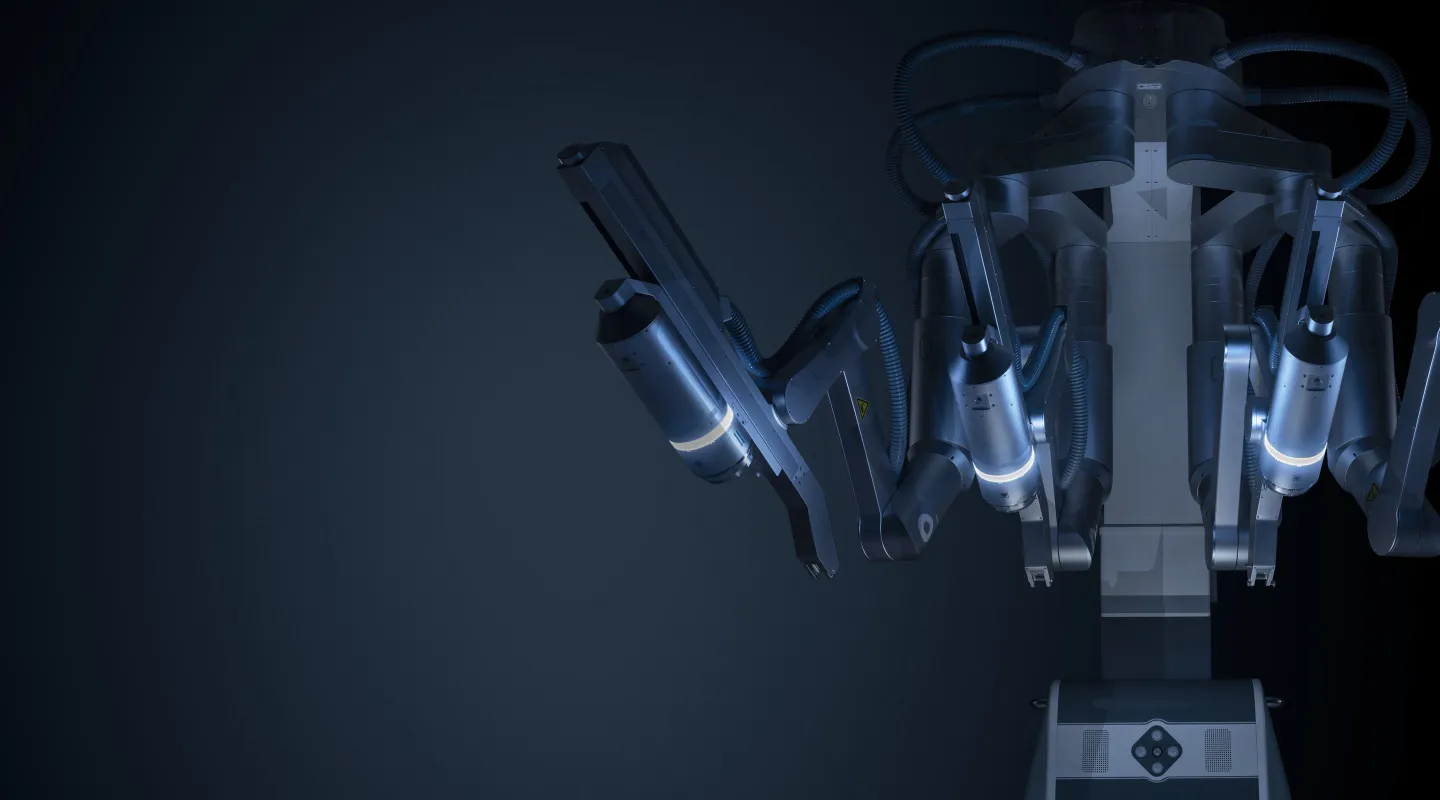
How the system operates through continuum instruments
Dual Continuum Mechanism
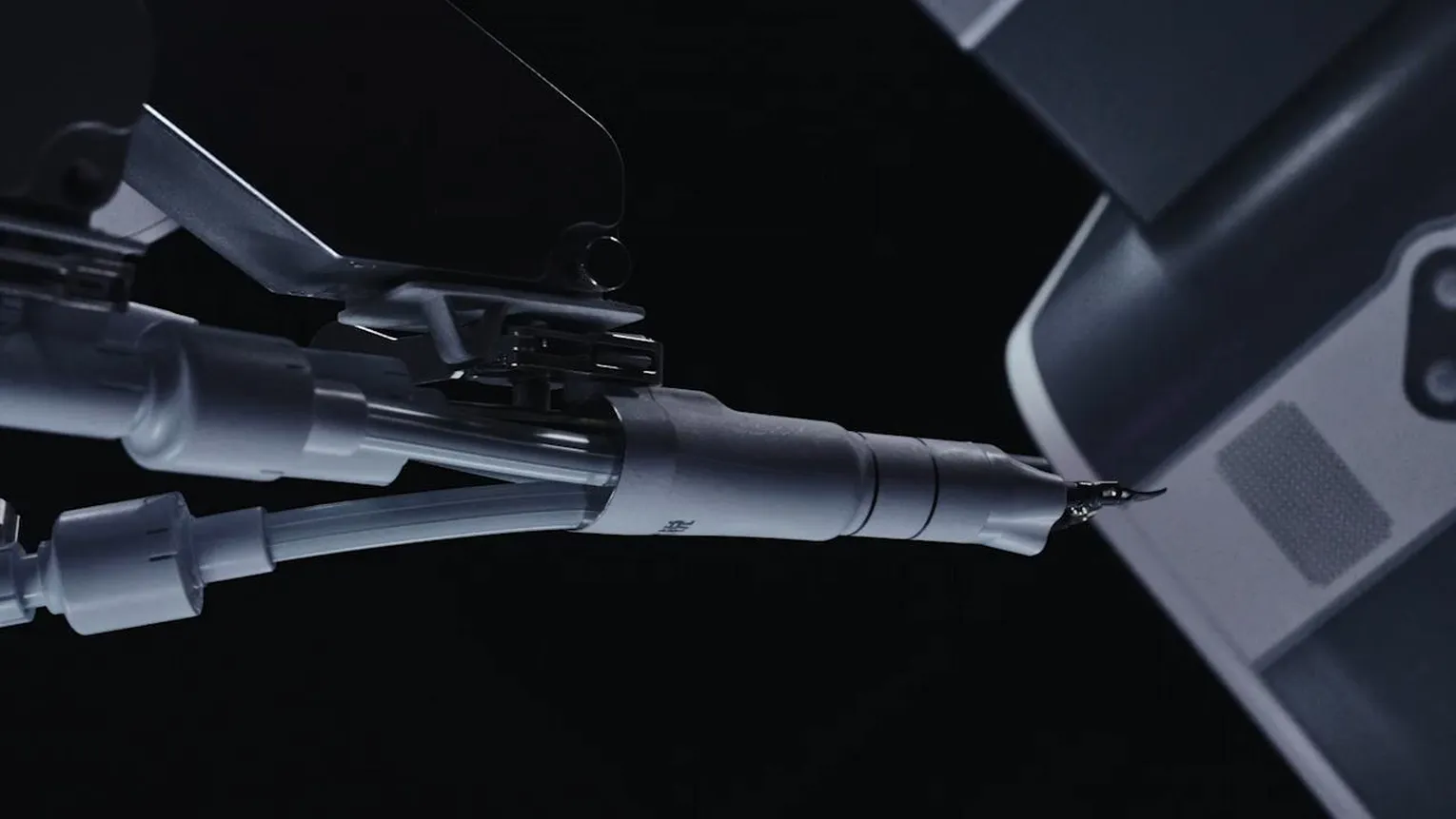
The SHURUI instruments are built around a patented Dual Continuum Mechanism composed of multiple flexible elements, including super-elastic nitinol rods. Unlike conventional robotic architectures based on articulated joints, the continuum structure enables smooth, continuous bending along the instrument shaft, providing up to 210° of cumulative bending range through its dual-segment design.
This continuous deformation capability supports controlled navigation and distal instrument movements within anatomically confined surgical environments.

Actuation and control
Instrument motion is generated through synchronized push–pull actuation scheme. Surgeon inputs are transmitted through the control interface and converted into coordinated actuation of the continuum structure, enabling controlled curvature, stable tissue manipulation, and refined end-effector movements. Coordinated robotic arm motion supports multi-quadrant procedural coverage while reducing the need for redocking. During instrument and endoscope teleoperation, the robotic arms remain stationary, helping maintain procedural continuity and minimize collision risk.
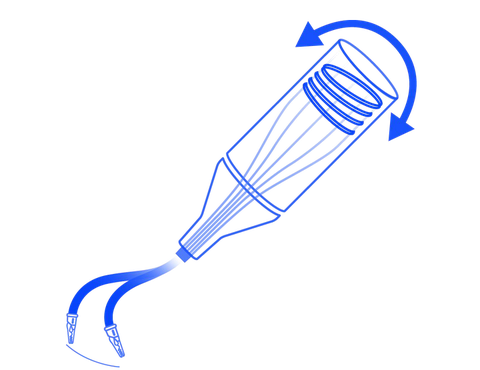
Dual continuum bending
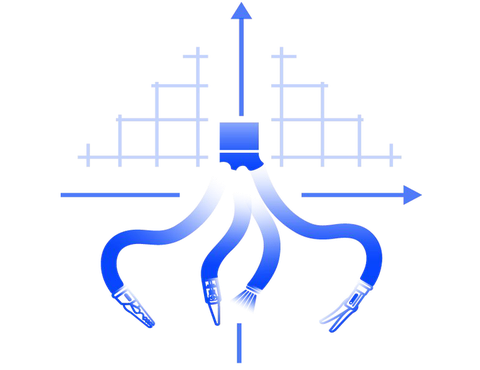
Multi-quadrant adjustment
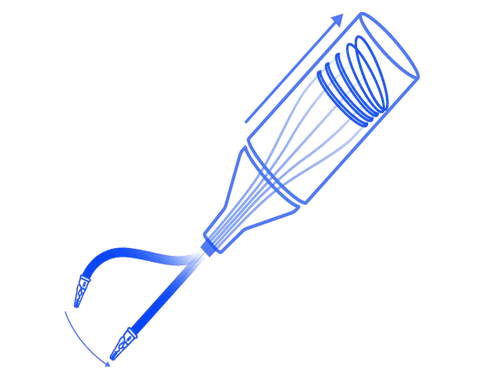
Continuum deformation
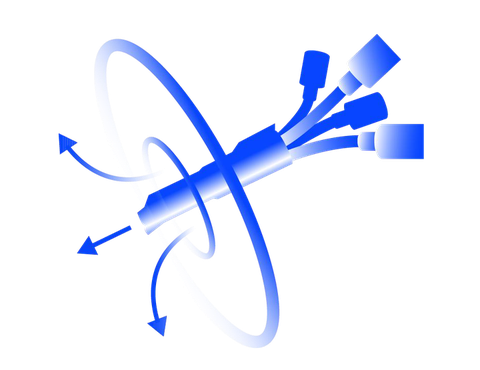
Coordinated robotic arm positioning
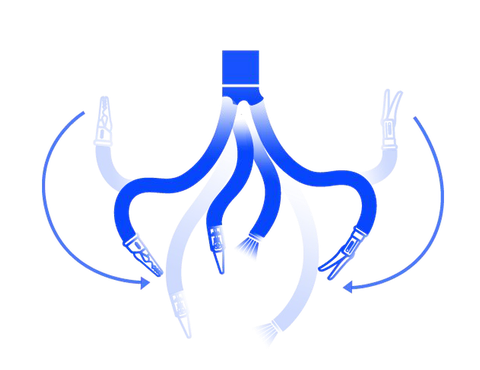
End effector movement
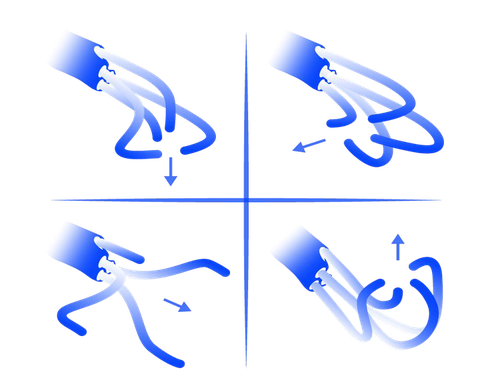
Operation direction
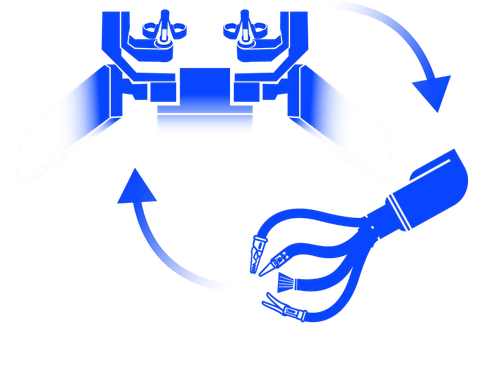
Control signal transmission
Visualization and control interface
Stereoscopic visualization
The system provides stereoscopic 3D visualization with up to 10× magnification. Seamless transition between Cobra and Reverse Cobra configurations enables visualization from multiple perspectives within the surgical field, supporting observation of anatomical structures from different viewpoints during surgical dissection and reconstruction.
Control interface
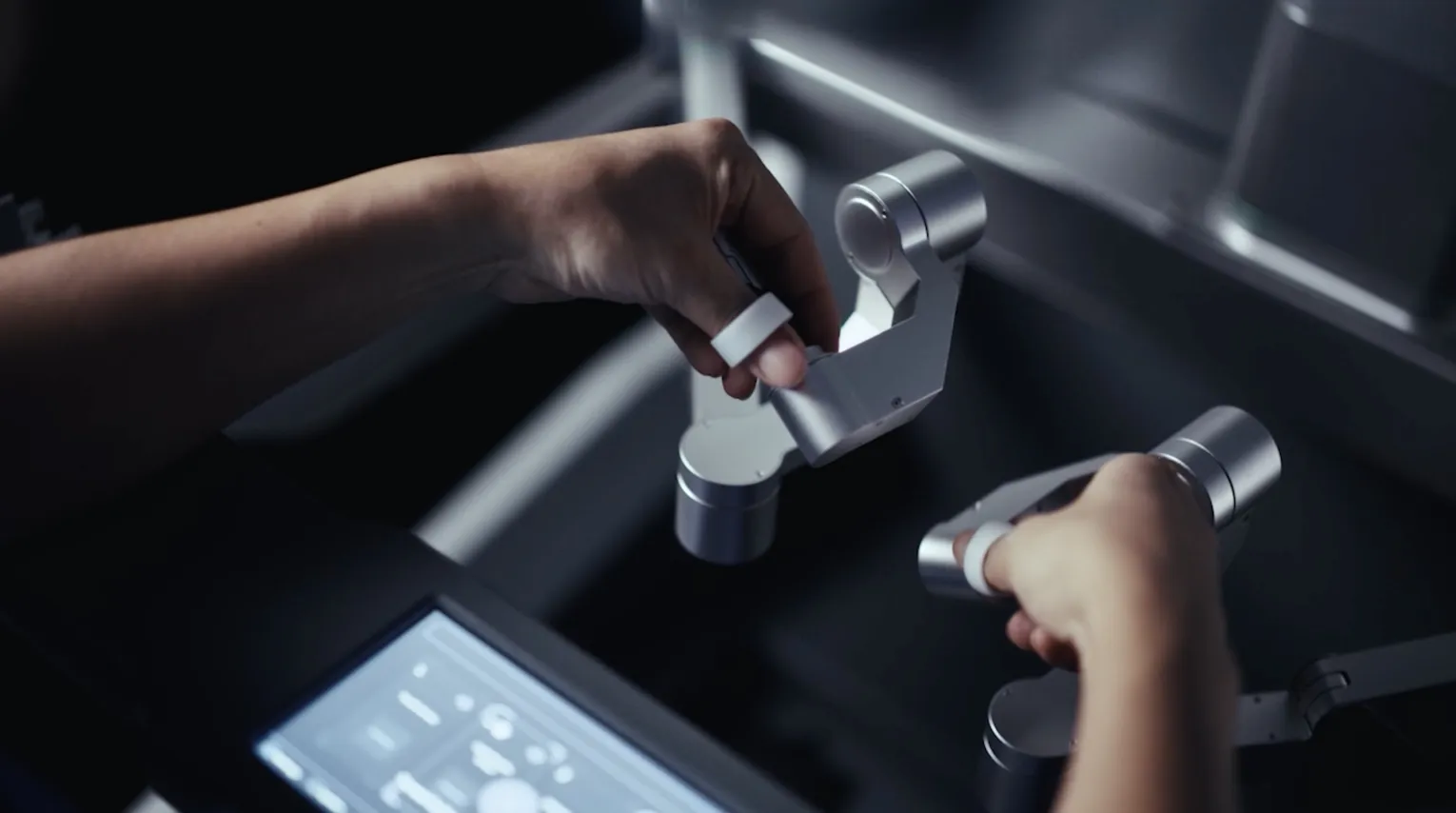
The surgeon operates from the console using a dedicated control interface that enables control of the instruments and endoscope. Surgeon inputs are translated into robotic motion with tremor filtration applied at the input level, supporting stable and controlled surgical execution.

Designed for clinical versatility
The SHURUI SP Surgical System supports a broad range of procedures and surgical approaches across multiple specialties.
Go further


Connect with us. Discover what’s shaping robotic surgery.
Discover the latest clinical developments, scientific collaborations, product updates, and educational activities from Surgerii Robotics.